2026-11-11 · Alex Torres
Factors That Affect Water Damage Repair Costs In Glendale
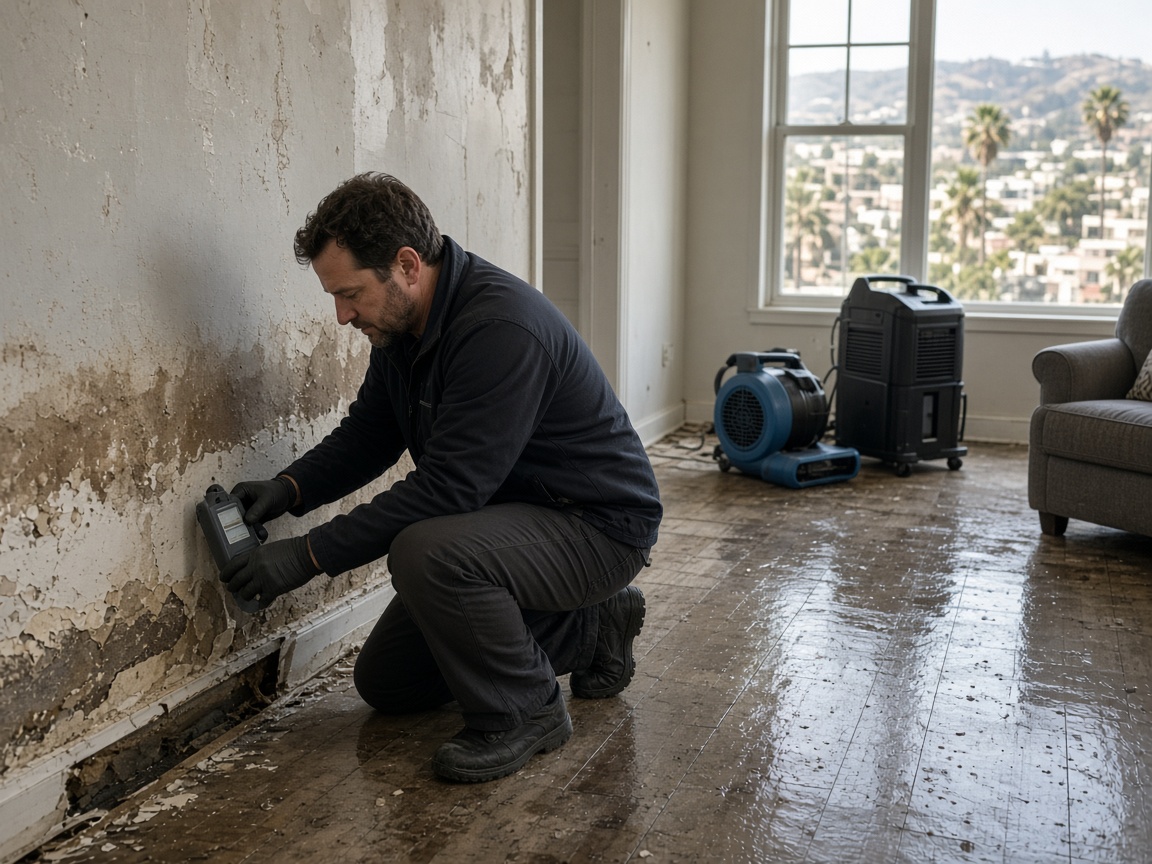
Water damage repair costs in Glendale typically range from $1,200 to $8,500 depending on the water category, affected square footage, and required drying time. Older homes in neighborhoods such as Adams Hill and Tropico often see higher totals because plaster walls and outdated plumbing complicate extraction. Mediterranean climate patterns with hot dry summers accelerate mold growth once moisture lingers, pushing many jobs into the upper end of that range when hidden saturation goes untreated for more than 48 hours.
Water Source and Category
The category of water determines much of the final invoice. Category 1 clean water from a burst supply line averages $1,200–$3,000 for a 200-square-foot area when addressed within 24 hours. Category 2 gray water from washing machines or dishwashers climbs to $2,800–$5,200 because antimicrobial treatments and disposal of contaminated materials add steps. Category 3 black water from sewage backups or heavy storm runoff near Griffith Park can exceed $6,000 once structural removal and biohazard protocols begin. Homeowners in Chevy Chase frequently encounter category 2 leaks from aging galvanized pipes that run under concrete slabs, requiring jackhammering and subfloor replacement that single-family homes built before 1960 rarely avoid.
Property Age and Building Materials
Glendale’s housing stock spans craftsman bungalows from the 1920s to mid-century ranch homes in Rossmoyne. These older structures contain lath-and-plaster walls and hardwood floors that absorb water differently than modern drywall. Removing and replacing plaster in a 300-square-foot living room often adds $1,800–$2,400 compared with standard drywall repairs. Mid-century homes also hide moisture behind built-in cabinetry and under terrazzo floors, conditions detailed further in our guide on checking for hidden moisture in mid-century Glendale homes. The extra demolition and material matching required in these properties directly increases both labor hours and disposal fees.
Seasonal Climate and Terrain Effects
Hot dry summers followed by winter rains create distinct seasonal cost patterns. During summer, rapid evaporation can mask saturation in attics until it migrates to ceilings, turning a $1,500 drying job into a $4,000 ceiling replacement. Winter rain runoff risks near the Verdugo Mountains push water toward lower-lying lots in Tropico and along the edges of Forest Lawn Memorial Park. Properties on sloped lots require additional perimeter drainage work and longer drying times because soil remains saturated for weeks. These terrain-driven factors routinely add $800–$1,600 to standard interior-only projects.
Scope of Work and Drying Equipment Needs
The number of rooms, type of flooring, and presence of HVAC contamination dictate equipment runtime. A single-room incident may need only two air movers and one dehumidifier running for three days at roughly $400 total. When water reaches subfloors or HVAC systems in larger homes near the Americana at Brand, crews deploy six to eight machines for five to seven days, pushing equipment charges to $1,200–$2,000. Detailed moisture mapping with thermal imaging prevents missed pockets that would otherwise double return visits and extend project length by several days.
Professional Assessment and Local Variables
Accurate pricing begins with an on-site inspection that accounts for Glendale-specific variables such as proximity to the Los Angeles River channel and older municipal sewer lines shared with Pasadena and Burbank. Technicians document square footage, water category, and material types before providing a written scope. This assessment prevents surprises when hidden damage appears behind walls in Adams Hill homes or under driveways in Rossmoyne. Homeowners who schedule inspections promptly after noticing musty odors or ceiling stains keep total repair costs closer to the lower end of typical ranges.