2026-11-11 · Alex Torres
How To Check For Hidden Moisture In Mid Century Glendale Homes
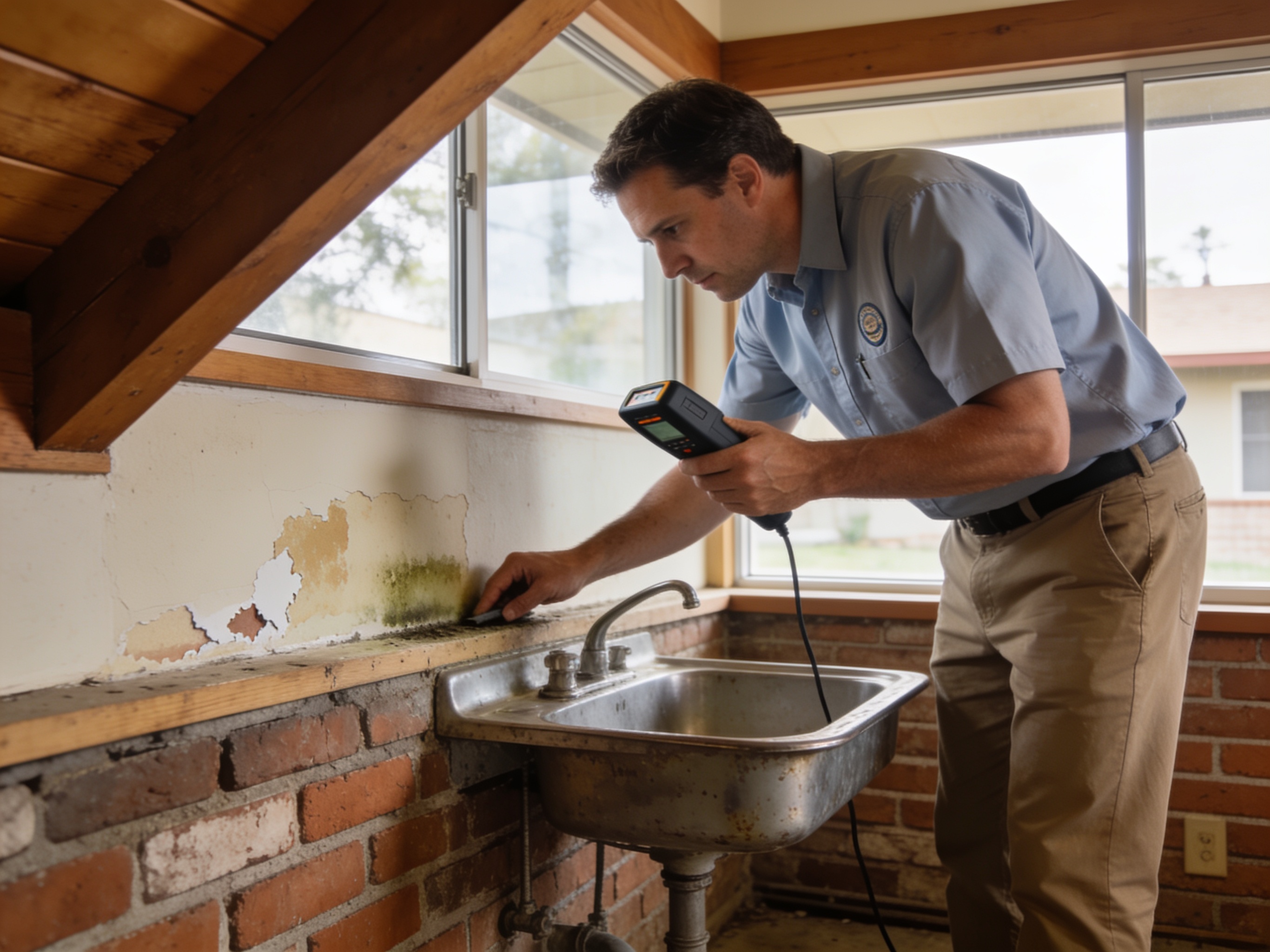
Mid-century Glendale homes from the 1940s to 1960s require checking for hidden moisture by first testing around original cast-iron pipes and slab edges after winter rains, as these structures in Adams Hill and Rossmoyne commonly trap water under hardwood and behind lath-and-plaster.
Examining Slab Foundations in Tropico and Rossmoyne
Mid-century slabs in Tropico homes sit directly on soil that expands during the brief rainy season in Los Angeles County. Walk the perimeter after storms and look for hairline cracks near door thresholds or where the foundation meets stucco; these often indicate water migrating under the slab from poor grading near Griffith Park foothills. Use a moisture meter on the concrete surface at multiple points 6 inches apart, targeting readings above 15 percent as a sign of trapped moisture that can damage adjacent hardwood. In Chevy Chase homes with similar construction, check utility rooms where the original 40- to 50-gallon water heaters sit, because leaks here travel under the slab before surfacing weeks later.
Testing Walls and Ceilings Near Original Plumbing
Plaster walls in Adams Hill mid-century houses absorb moisture from leaking galvanized supply lines that typically last 40 to 60 years. Run a moisture meter in a grid pattern 12 inches apart along bathroom and kitchen walls, focusing on areas 18 inches above the floor where pipes run horizontally. Pay special attention to ceilings below second-story baths, where slow drips from 1950s cast-iron drains create soft spots without visible stains. After hot dry summers give way to winter rains, repeat the checks near windows that face the Verdugo Mountains, since runoff can enter through stucco cracks and travel along framing members.
Checking Attics and Crawl Spaces After Seasonal Changes
Attics in Rossmoyne homes built before 1965 often lack modern ventilation, allowing condensation to form when cool nights follow hot summer days. Shine a flashlight along roof sheathing and rafters for dark streaks or mold near bathroom vents; these patterns show moisture that has wicked into insulation. In homes with crawl spaces near Forest Lawn Memorial Park, probe soil with a meter probe at 2-foot intervals and note any standing water within 6 inches of joists. The Mediterranean climate means most hidden moisture problems appear between November and March, when 10 to 15 inches of rain can overwhelm original perimeter drains.
Using Meters and Knowing When Professional Assessment Helps
A pin-type moisture meter gives the most reliable readings on wood and plaster in these older homes; take baseline measurements in a known dry closet first, then compare against suspect areas. Document readings with photos and dates, especially after events like heavy rain near Americana at Brand that can send water toward lower-lying blocks in Burbank-adjacent streets. When meter results stay elevated for more than two weeks or when you find soft subfloors larger than 2 square feet, review Factors That Affect Water Damage Repair Costs In Glendale and consider Water Damage Restoration services. Homeowners in Pasadena and Burbank border areas also find value in the guidance at Winter Rain Runoff Risks Near Verdugo Mountains for understanding how terrain affects hidden moisture movement.